-
2551 San Ramon Valley Blvd, Suite 112 San Ramon, CA 94583
- 925.830.4631
- 925.830.0125

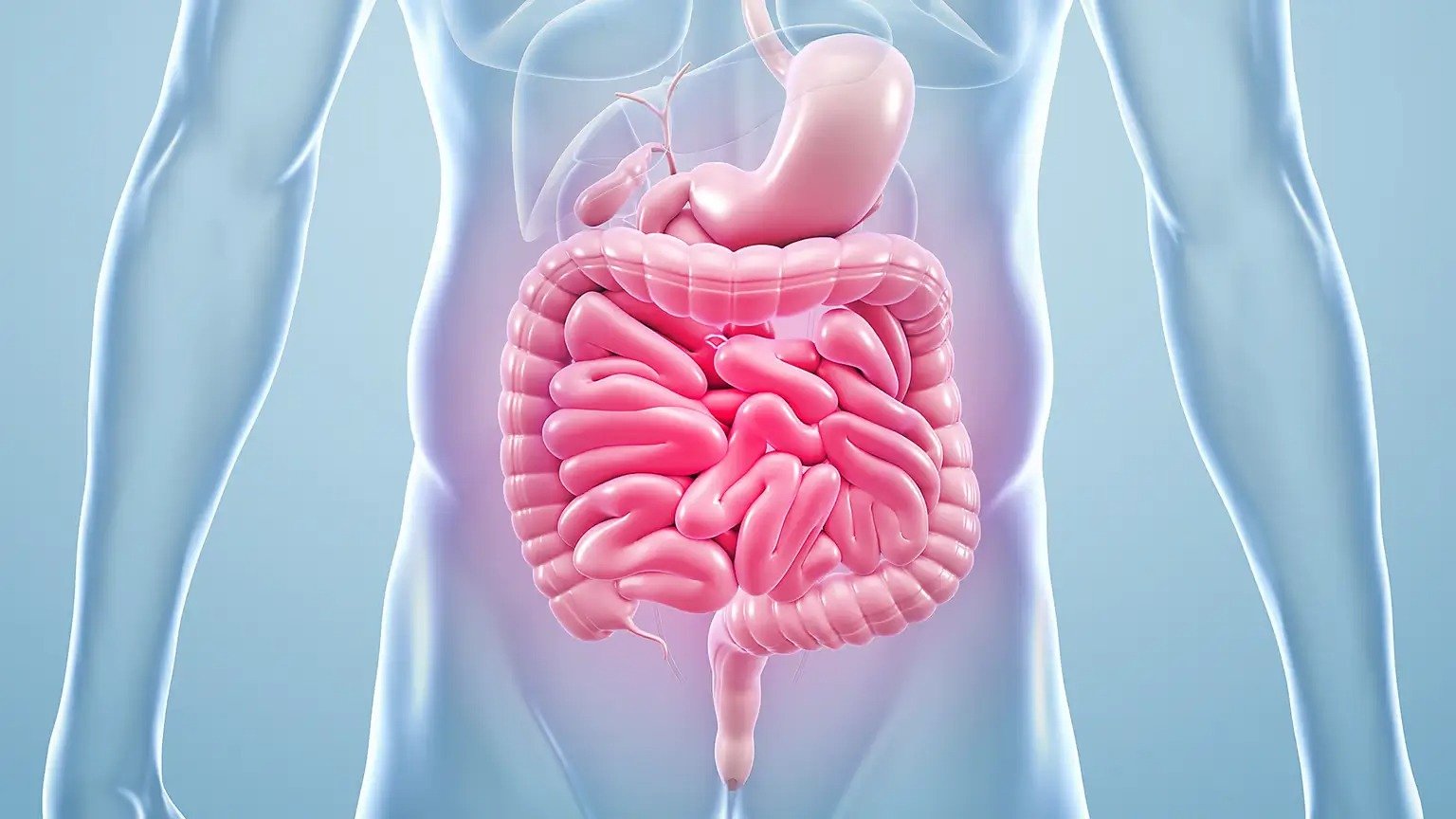
The Synergy of LDN, BHRT, and Semaglutide: A Holistic Strategy for Gut Health, Hormonal Balance, and Sustainable Weight Loss
In recent years, the complexity of chronic illness has become increasingly clear. More patients are presenting with overlapping symptoms—fatigue, unexplained weight gain, brain fog, GI issues, and autoimmune dysfunction—that don’t always fit neatly into one diagnostic box. As a result, clinicians are shifting toward integrative strategies that prioritize the root cause over symptomatic quick fixes.
One emerging and highly promising approach involves addressing the interconnected nature of gut dysfunction, hormone imbalance, and metabolic dysregulation through a trio of therapies: Low Dose Naltrexone (LDN), Bioidentical Hormone Replacement Therapy (BHRT), and semaglutide.
Understanding the Foundation: The Gut-Immune-Hormone Axis
The gut is home to over 70% of the body’s immune cells and is intricately linked to the endocrine system via the gut-brain and gut-liver axes. When the microbiome is compromised—whether through chronic inflammation, infection, poor diet, or stress—it can contribute to systemic inflammation, disrupt hormonal signaling, and exacerbate autoimmune conditions.
Likewise, declining hormone levels—especially estrogen, progesterone, testosterone, and DHEA—can worsen gut permeability (“leaky gut”), increase visceral fat, and negatively affect insulin sensitivity. This makes it difficult for patients to achieve meaningful progress with weight loss therapies alone, including semaglutide.
Step One: Stabilizing the Immune System with Low Dose Naltrexone (LDN)
LDN is a well-documented immune modulator that works by temporarily blocking opioid receptors, triggering a rebound effect that enhances endorphin production. This has downstream benefits on immune regulation, pain signaling, and inflammation.
In clinical use, LDN has shown promise in patients with:
- Hashimoto’s thyroiditis
- IBS and Crohn’s disease
- Rheumatoid arthritis
- Fibromyalgia
- Long COVID
Importantly, LDN can help calm the immune system, reduce neuroinflammation, and begin to restore balance in the gut microbiome—providing a crucial foundation for hormonal and metabolic therapies.
Step Two: Correcting Hormonal Deficiencies with BHRT
When hormonal imbalances are left unaddressed, patients may struggle with:
- Insulin resistance
- Weight gain around the midsection
- Mood disturbances
- Sleep disruption
- Poor recovery from exercise
- Gastrointestinal symptoms
BHRT can be customized to each patient’s needs, restoring optimal levels of estrogen, progesterone, testosterone, thyroid hormones, and more. By correcting hormonal deficiencies, you improve mitochondrial function, lean body mass, gut motility, and immune function—all key elements in setting the stage for metabolic success.
Saliva testing is a particularly effective tool for assessing active hormone levels in tissues, especially when treating perimenopausal and postmenopausal patients or those on transdermal therapy.
Step Three: Semaglutide for Weight Loss—The Right Tool at the Right Time
Semaglutide, a GLP-1 receptor agonist, has transformed the obesity treatment landscape. However, its benefits are best realized when deployed after addressing foundational issues such as immune dysregulation and hormonal imbalance.
Many patients report:
- Reduced appetite and food noise
- Improved insulin sensitivity
- Enhanced satiety and slower gastric emptying
However, for patients with unresolved gut inflammation or adrenal dysfunction, semaglutide can exacerbate side effects such as nausea, fatigue, or constipation. Additionally, patients with estrogen deficiency may experience more rapid muscle loss during weight reduction unless this is proactively addressed.
A Tiered Treatment Strategy for Sustainable Outcomes
Rather than viewing these therapies in isolation, an integrative and tiered approach offers the best chance of long-term patient success:
- Begin with immune and gut regulation using Low Dose Naltrexone
- Layer in hormone balancing via BHRT for metabolic and cellular support
- Introduce semaglutide or GLP-1 therapy once the system is stabilized
This strategy supports patients from the inside out—offering more sustainable weight loss, better energy, improved mental clarity, and overall better outcomes.
The Role of Compounding in Personalized Care
Each of these therapies can be customized through compounding to match the patient’s needs:
- LDN available in capsules or oral suspensions at tailored doses
- BHRT designed around saliva or serum results in a variety of delivery methods (creams, troches, suppositories, capsules)
- Semaglutide compounded in sublingual form
At Custom Care Compounding, we work with physicians to build custom regimens that honor each patient’s physiology, goals, and sensitivities.
Interested in learning more about how these therapies work together? Let us know—we’d be happy to provide studies, dosing references, or schedule a clinical consultation.
Copyrights © 2026.Custom Care Compounding All rights Reserved.