-
2551 San Ramon Valley Blvd, Suite 112 San Ramon, CA 94583
- 925.830.4631
- 925.830.0125

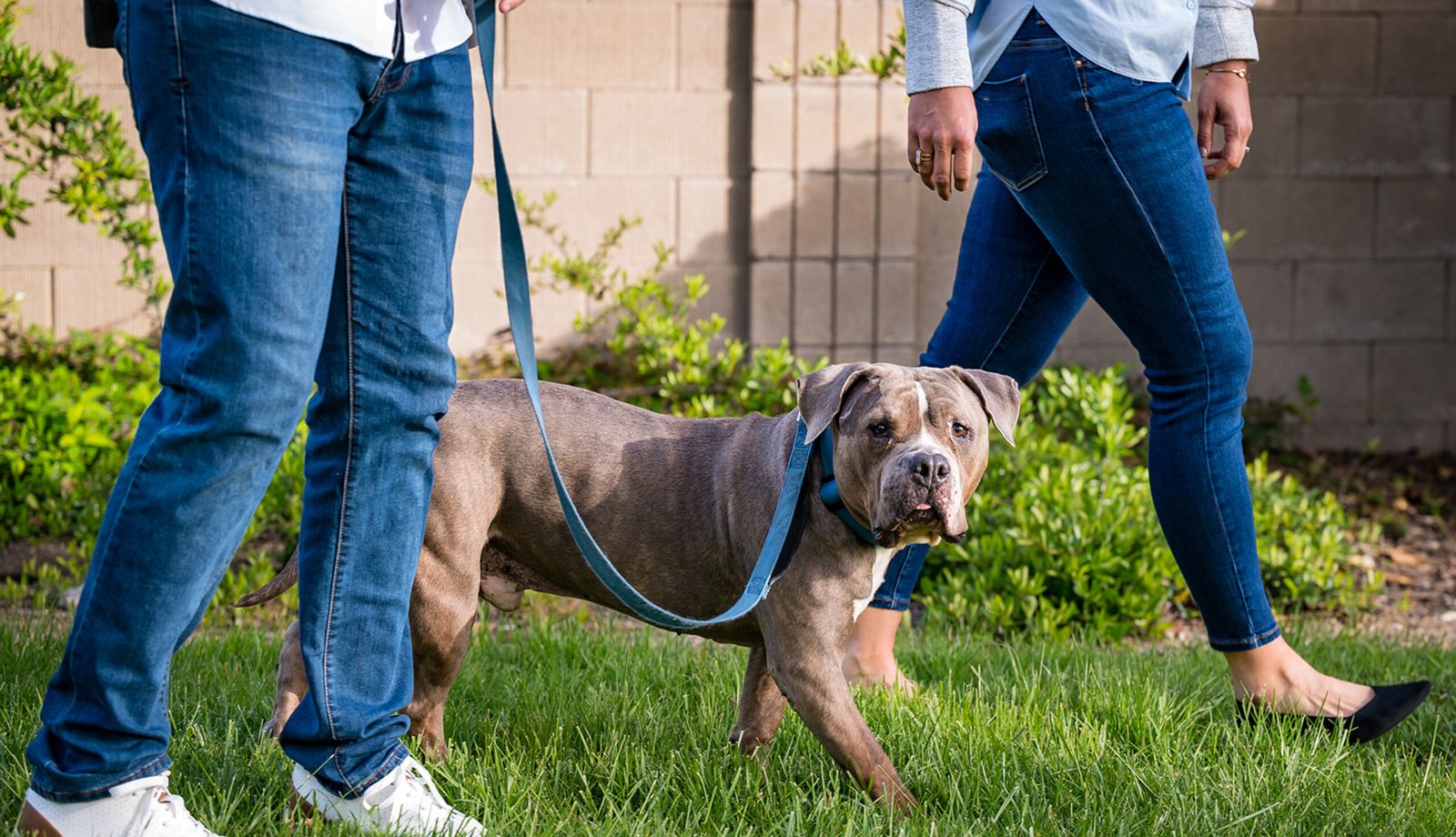
Low Dose Naltrexone (LDN) in Veterinary Medicine: Clinical Applications, Mechanisms, and Practical Use
Low Dose Naltrexone (LDN) is gaining steady traction in veterinary medicine, not as a replacement for conventional therapies, but as a complementary tool that can support immune regulation, inflammation control, and overall quality of life in animals with chronic disease.
While LDN has a longer history of use in human medicine, veterinarians are increasingly exploring its role in managing conditions such as chronic inflammatory skin disease, gastrointestinal disorders, autoimmune dysfunction, and even certain oncologic cases. What makes LDN particularly compelling is its unique mechanism of action, favorable safety profile, and flexibility in compounding for animal patients.
This article explores how LDN works, where it is being used clinically, and what veterinarians and pet owners should understand before starting therapy.
What Is Low Dose Naltrexone?
Naltrexone is traditionally known as an opioid antagonist used at higher doses (50 mg and above) in the treatment of opioid and alcohol dependence in humans.
Low Dose Naltrexone, however, is used at a fraction of that dose (typically 0.1–4.5 mg) in humans, and even smaller, weight-based doses in animals.
At these low doses, naltrexone behaves very differently.
Instead of blocking opioid receptors continuously, LDN briefly and transiently blocks opioid receptors, which leads the body to respond by increasing production of endogenous opioids such as endorphins and enkephalins. These naturally occurring molecules play a key role in:
- Immune system regulation
- Inflammation modulation
- Pain perception
- Gut motility and integrity
This rebound effect is what gives LDN its therapeutic potential.
How LDN Works in Animals: A Simplified Explanation
From a clinical standpoint, LDN’s benefits appear to stem from two primary mechanisms:
-
Endorphin Modulation
The temporary opioid receptor blockade triggers increased endorphin production once the drug clears. Endorphins have downstream effects on immune balance and inflammation, which is particularly relevant in chronic disease states.
-
Immune System Regulation
LDN has been shown to influence immune signaling pathways, including microglial activity and inflammatory cytokines. Rather than suppressing the immune system, LDN is often described as immunomodulatory, meaning it helps bring immune activity back into balance.
This distinction is important, especially in animals where long-term immunosuppression may lead to secondary complications.
Clinical Uses of LDN in Veterinary Medicine
-
Chronic Inflammatory Skin Conditions (Atopic Dermatitis)
One of the most common veterinary uses of LDN is in animals with chronic allergic or inflammatory skin disease, particularly when:
- Symptoms are recurrent or poorly controlled
- Long-term steroids are undesirable
- Owners are seeking steroid-sparing options
LDN may help reduce immune overactivation associated with atopy, potentially decreasing itch intensity and flare frequency. It is often used adjunctively, not as monotherapy, and may be combined with topical treatments, diet modification, or antihistamines.
-
Gastrointestinal Disorders
LDN is increasingly considered for animals with chronic GI issues, including:
- Inflammatory bowel disease (IBD)
- Chronic diarrhea or vomiting
- Suspected immune-mediated enteropathies
The gut contains a large portion of the immune system, and endorphins play a role in gut motility and mucosal integrity. By supporting immune regulation, LDN may help improve GI stability in select patients.
Importantly, LDN is not a fast-acting GI medication. Improvements, when they occur, are often gradual and seen over several weeks.
-
Autoimmune and Immune-Mediated Conditions
LDN’s immunomodulatory effects have led veterinarians to explore its use in autoimmune-leaning conditions where immune balance, not suppression, is the goal.
Examples may include:
- Immune-mediated skin or joint conditions
- Chronic inflammatory syndromes with no clear infectious cause
In these cases, LDN is often used as a long-term supportive therapy, sometimes allowing for lower doses of traditional immunosuppressants.
-
Oncology Support and Palliative Care
While LDN is not a cancer treatment, some veterinarians use it as part of a palliative or supportive care plan in oncology patients.
Potential goals include:
- Supporting immune surveillance
- Improving appetite or energy
- Enhancing overall quality of life
Its low side-effect profile makes it an appealing option in animals where aggressive therapies are no longer appropriate or desired.
-
Chronic Pain and Neuropathic Components
LDN may be considered in animals with chronic pain that has an inflammatory or neuropathic component, particularly when traditional pain regimens are insufficient or poorly tolerated.
Its effects on microglial activation have made it of interest in chronic pain models, though expectations should be realistic and individualized.
Dosing and Compounding Considerations
LDN must be compounded for veterinary use, as commercial tablets are far too strong and contain excipients unsuitable for animals.
Key considerations include:
- Weight-based dosing, typically starting low and titrating slowly
- Species-appropriate formulations (capsules, suspensions, or flavored liquids)
- Avoidance of xylitol, alcohol, or problematic flavoring agents
- Consistent dosing schedules (often given once daily)
Because LDN works through gradual physiologic modulation, it is commonly trialed for 6–8 weeks before assessing full response.
Safety and Tolerability
LDN is generally well tolerated in animals. When side effects occur, they are usually mild and transient and may include:
- Temporary sleep changes
- Mild GI upset during initiation
Because naltrexone blocks opioid receptors, LDN should not be used concurrently with opioid pain medications, as it may reduce their effectiveness.
As always, clinical judgment and individual patient assessment are essential.
What Pet Owners Should Know
For pet owners, LDN is best understood as a supportive, long-term therapy, not a quick fix. It may be recommended when:
- A pet has chronic inflammatory disease
- Standard therapies are only partially effective
- Long-term steroid or immunosuppressant use is a concern
Clear communication about expectations is key. Improvements may be subtle at first and often build over time.
The Role of Compounding Pharmacies
Because LDN dosing is highly individualized in veterinary patients, collaboration between the veterinarian and a knowledgeable compounding pharmacy is essential.
An experienced compounding pharmacy can:
- Customize dosage strengths precisely
- Create animal-friendly formulations
- Ensure consistent potency and quality
- Serve as a clinical resource for dosing and formulation questions
This collaborative approach supports both prescribing confidence and patient outcomes.
Final Thoughts
Low Dose Naltrexone represents a thoughtful, patient-centered option in veterinary medicine, particularly for chronic, inflammatory, and immune-mediated conditions where long-term balance matters more than short-term suppression.
While ongoing research will continue to clarify its role, current clinical use suggests LDN can be a valuable part of a comprehensive treatment strategy when used appropriately and collaboratively.
If you’re a veterinarian interested in exploring LDN for your patients or a pet owner curious about whether it may be appropriate for your animal, open dialogue and individualized care planning are the best place to start.
Our compounding pharmacy works closely with veterinarians to customize LDN formulations, dosing strategies, and delivery methods tailored to each animal. We’re happy to collaborate on cases, answer clinical questions, or help you get started.
Reach out to schedule a brief consult or request an LDN information packet!
Copyrights © 2026.Custom Care Compounding All rights Reserved.